An integrated approach to the nervous system
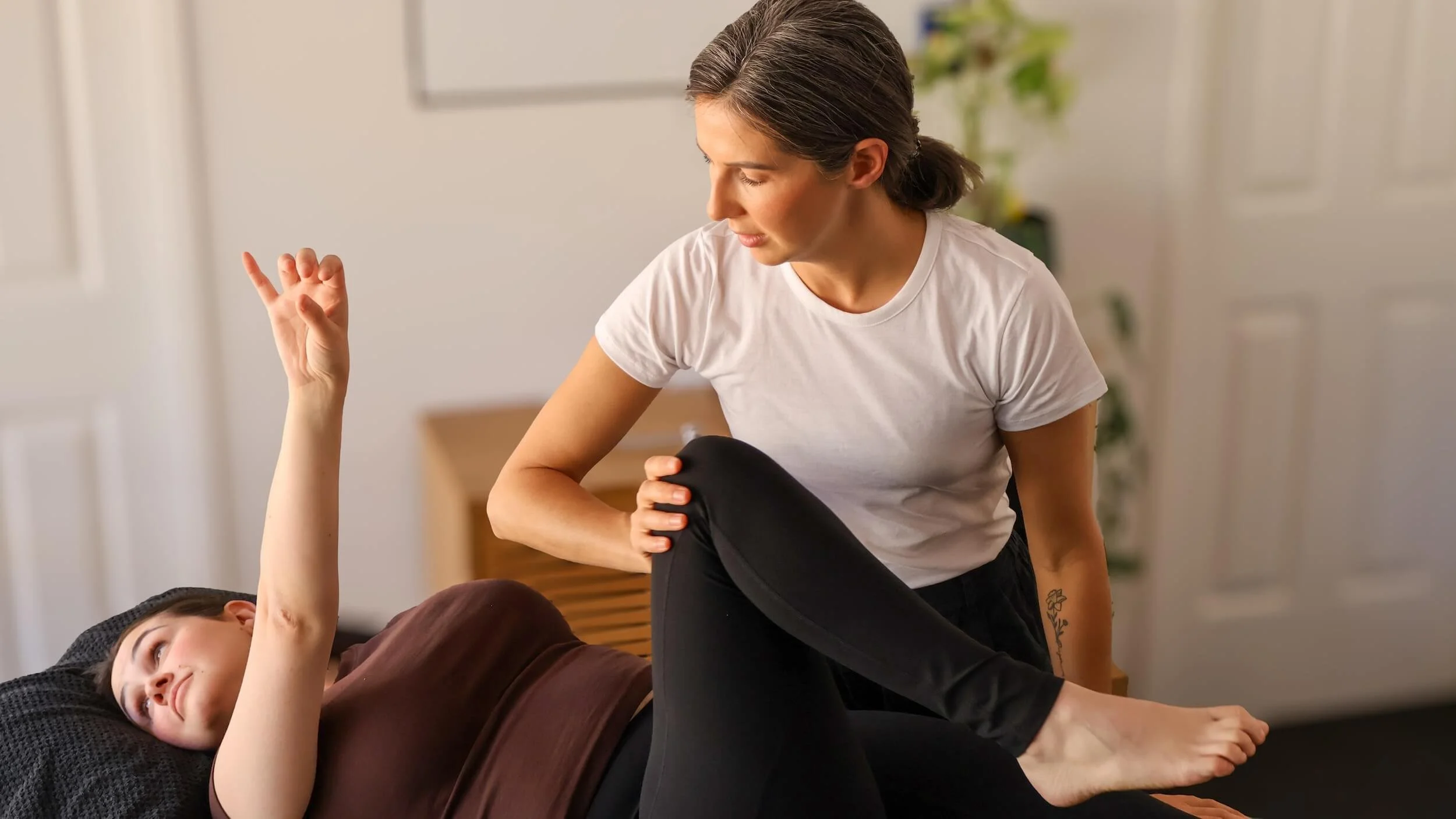
I don’t look at your symptoms as an isolated problem.
I also don’t chase them.
I look at the bigger picture — your injuries, surgeries, concussions, scars, movement, recovery, stress and the things your body has adapted around along the way.
From there, I use a combination of nervous system-based, movement and hands-on therapies depending on what your body needs.
The goal is to understand the pattern, change what is reinforcing that pattern, and help you get back to doing the things that matter the most to you.
What working together looks like
There’s no one-size-fits-all treatment plan here.
We start with where you are now and what your body has been through. Your history gives us context — because an old injury, surgery, concussion or scar can still matter even when it happened years ago.
From there, I look at how your nervous system, movement and body are responding now and use the therapies most relevant to what we find.
Sometimes the first piece we work with isn’t where you feel the symptom at all.
The aim isn’t to keep you in treatment forever. It’s to create meaningful change, help you understand your body and get you back to living your life without constantly managing it.
The therapies I draw from
I integrate a range of nervous system, movement and hands-on therapies depending on your history, what we find and what your body needs.
-
Functional Neuro Health focuses on how the brain and nervous system organise movement, sensation, and responses to stress.
Allyssa assesses which neurological pathways may be overactive, underactive, or compensating, and uses specific techniques to help improve communication between the brain and body.Supports people experiencing:
Movement limitations
Post-injury or post-surgery changes
Pain or tension patterns
Concussion-related symptoms
Long-term stress or dysregulation
-
The Square 1 System works with the brain’s sensory-motor pathways to help reorganise how your body interprets movement and load. It is a precise method for identifying and supporting compensation patterns that may be affecting coordination, strength, or comfort.
Often used for:
Athletes
Persistent movement restrictions
Balance, coordination, or stability changes
Those who feel “stuck” or unable to progress with rehab
-
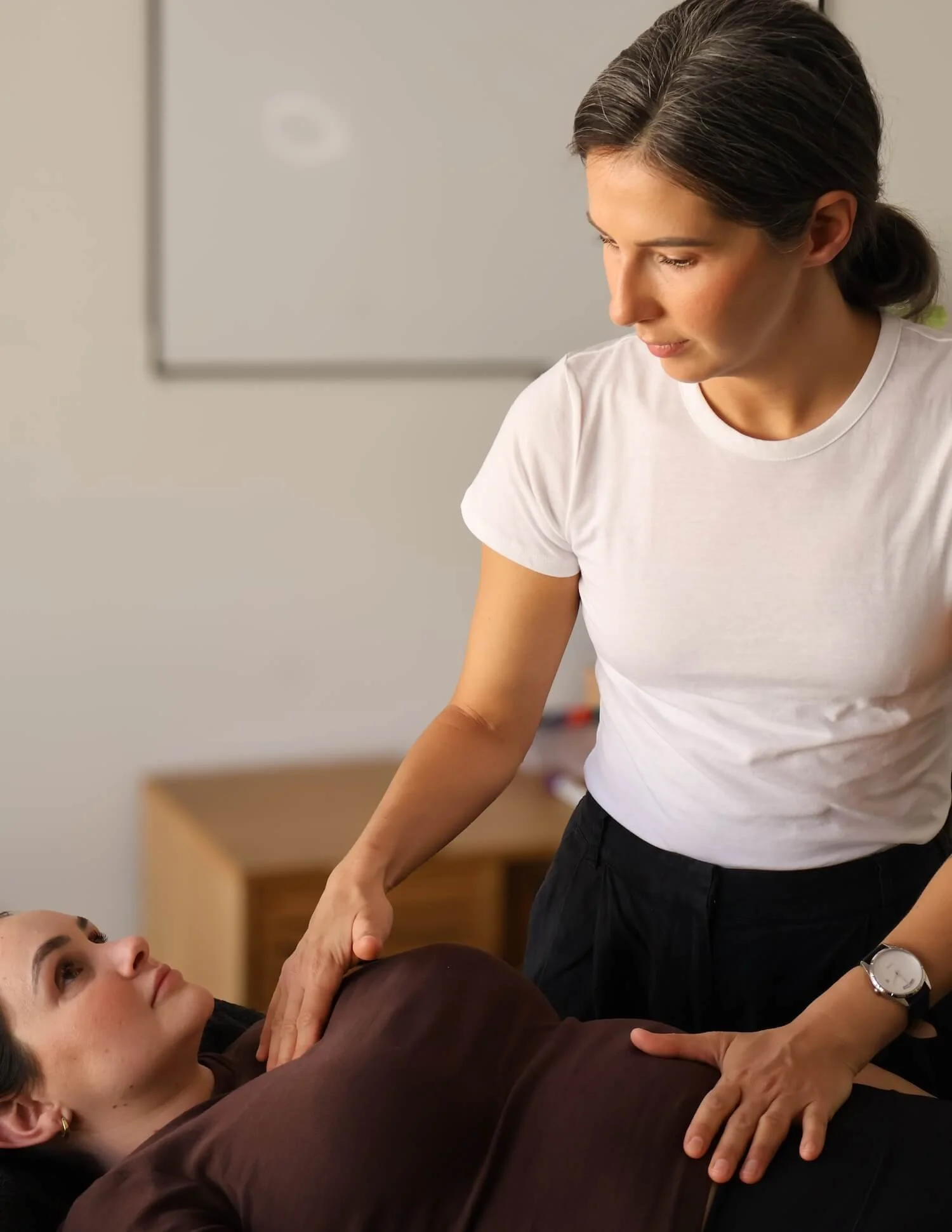
This gentle, hands-on approach focuses on identifying and releasing restrictions within brain tissue and the autonomic nervous system, supporting improved neurological function, emotional regulation, and overall wellbeing.
By working with key brain structures and cerebrospinal fluid flow, this modality helps with issues such as headaches, head injuries, stress, trauma, learning challenges, and nervous system imbalance.
Sessions are subtle yet deeply effective, aiming to restore balance, enhance brain-body communication, and support the body’s natural healing processes.
-
Lymphatic Drainage Therapy helps reduce restrictions, support fluid movement, tissue hydration, and calm an overactive nervous system. These techniques are important and helpful for individuals recovering from surgery, inflammation, or periods of high stress.
-
Scars - whether from surgery, injury, or trauma, create interruptions in fascial, lymphatic, and neurological pathways. Scar Release Therapy helps improve sensation, mobility, and tissue glide, and support more efficient movement and nervous system signaling.
Suitable for:
C-section scars
Orthopaedic surgeries
Keyhole surgery
Abdominal surgeries
Old injuries
-
AMN works with the electrical signalling of the nervous system to help reorganise movement, perception, and protective responses. It is gentle, hands-on, and focused on restoring how the brain interprets the body.
Helpful for individuals experiencing:
Persistent pain
“No one can figure this out” movement issues
Sensory changes
Dysregulated stress responses
-
DNS is based on developmental movement patterns and helps restore stability, breath mechanics, and core control.
It is particularly supportive for people returning to movement after injury or surgery, and those seeking better coordination.Used for:
Breath and core retraining
Post-injury movement patterns
Returning to physical activity
Athletes and movers
-
Pilates-based movement is used when appropriate to support:
Alignment
Controlled strength
Breath mechanics
Movement confidence
Better spinal and pelvic organisation
This work is integrated into sessions when movement retraining is beneficial.